
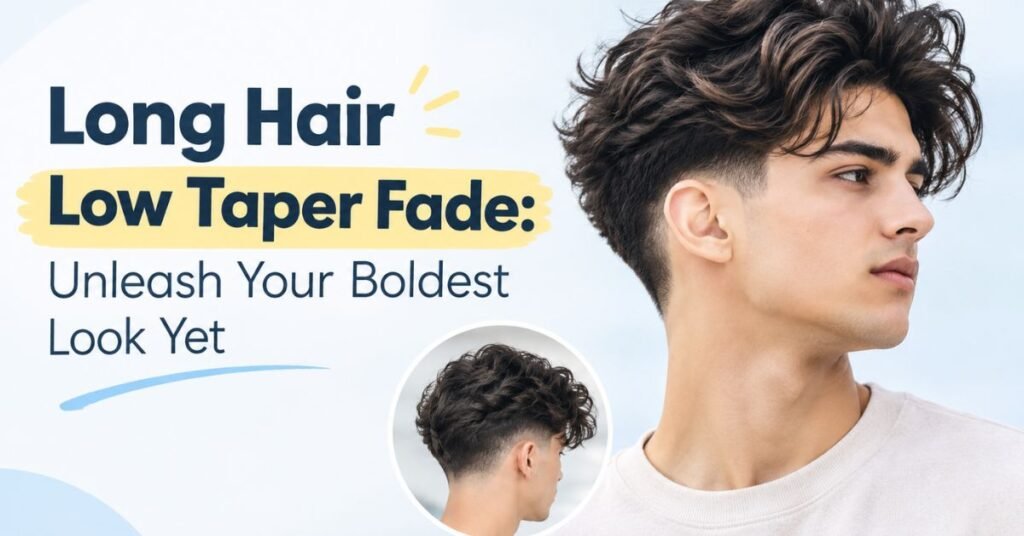
You want length on top, but you also want a cut that looks sharp. That is where the long hair low taper fade comes in. It keeps your flow and cleans up the sides and neckline, so you look styled instead of messy.
This guide explains what the cut is and how it differs from other fades. It also covers which styles work for each hair type, how to talk to your barber, and how to keep the cut fresh. Whether you are growing out your hair or want a change, the long hair low taper fade is worth a close look.
What is a long hair low taper fade?
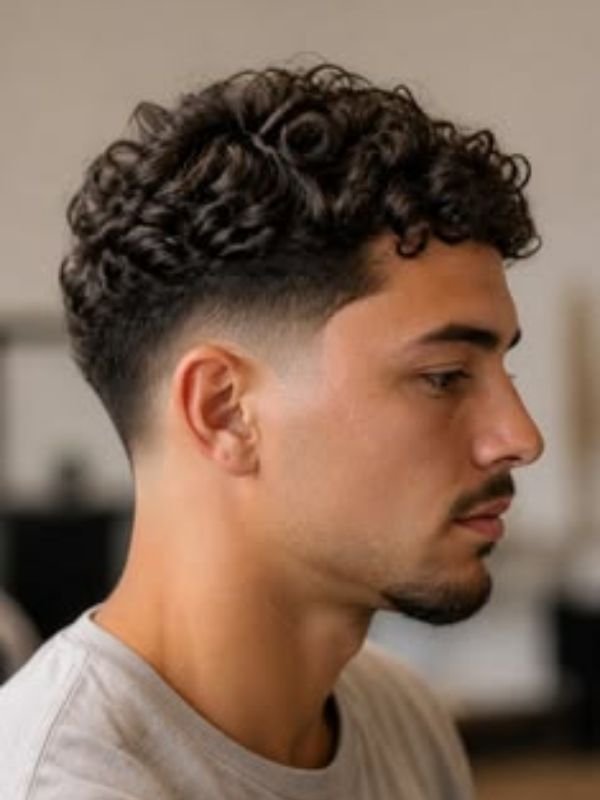
A long hair low taper fade combines long hair on top with a gradual fade on the sides and back. The fade starts low, around the ears and the nape of the neck. The hair gets shorter as it moves down toward the skin, with no harsh line.
The “taper” is the key word. A taper fades only the edges around the ear, sideburns, and neckline. It leaves the rest of the sides and back at a longer, natural length.
That makes this cut subtle. People notice the clean finish before they notice the technique.
Low taper vs mid and high fade
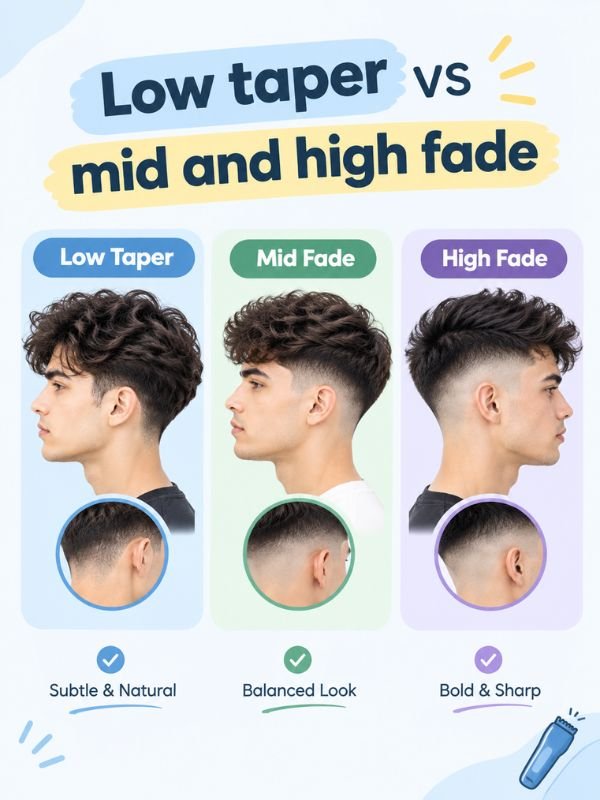
The main difference between these fades is where the shortening begins.
| Feature | Low taper fade | Mid fade | High fade |
| Starts at | Just above the ear and nape | Around the temple | High on the head, near the crown |
| Contrast with the top | Soft and subtle | Moderate | Strong and dramatic |
| Best with long hair | Excellent | Good | Harder to balance |
| Maintenance | Lower | Medium | Higher |
| Style feel | Classic, polished | Modern | Bold, edgy |
A low fade keeps more hair on the sides. That helps long hair look balanced and natural. A high fade removes so much from the sides that long hair on top can look top-heavy.
How long does “long” actually need to be?
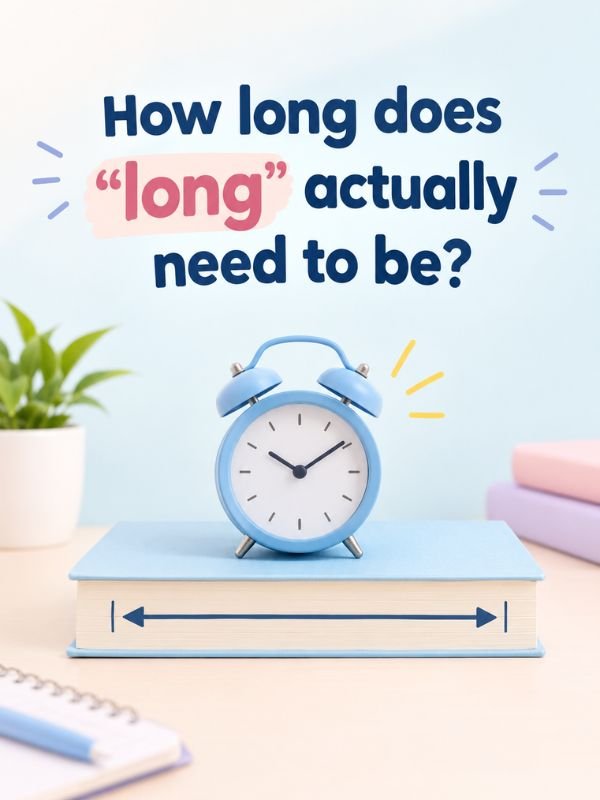
There is no strict rule, but these ranges are a useful guide:
- 3–4 inches: Medium-long. This works for quiffs and textured, swept-back looks.
- 5–7 inches: Long. It reaches the ears or chin and can be tucked or pushed back.
- 8+ inches: Very long. This suits man buns, ponytails, and flowing styles.
For a true long hair low taper fade, most barbers say you need at least 4 inches on top. Below that, the cut reads more like a classic taper.
Why the long hair low taper fade is everywhere right now
The long hair low taper fade is popular because it solves a common problem. Long hair can look untidy around the ears and neck. A clean taper fixes that without cutting your length.
Here is why more people are asking for it:
- It looks neat but not stiff. You can wear it to the office or to dinner.
- It grows out gracefully. A low fade softens as it grows, so you do not need constant touch-ups.
- It suits many ages. Younger guys and men in their 40s and 50s both wear it well.
- It is flexible. You can slick it back, tie it up, or leave it loose.
- It frames the face. The shorter sides draw attention to your jawline and cheekbones.
Social media has helped too. Short videos of barbers fading around long locks have made the cut look achievable, even to people who thought they had to choose between length and neatness.
Best styles by hair type
Your natural texture changes how the cut looks and how you style it. Here is what works for each type.
Straight hair
Straight hair shows the fade lines clearly, which makes the taper look very clean. It also tends to fall flat, so ask for layers or texture on top.
Best styles for straight hair:

- Slicked-back length with a low taper
- Side-swept fringe with tapered sides
- Layered, shoulder-grazing length with a clean neckline
Tip: A light texturizing spray adds the grip straight hair needs. Without it, long strands can look limp.
Wavy hair
Wavy hair is one of the easiest types for a long hair low taper fade. The natural movement adds body, and the fade keeps the shape from getting bulky.
Best styles for wavy hair:
- Loose, tousled waves with a low taper
- Swept-back waves with a faded nape
- Medium-long flow with a tapered sideburn
Tip: Air-dry when you can. Wavy hair keeps its pattern better if you avoid heavy brushing.
Also, read this: Drop Fade Black Male:
Curly hair
Curly hair and a low taper work well together. The fade controls volume at the sides, while the curls on top stay full and defined.
Best styles for curly hair:
- Long curls on top with a low taper fade
- Curly mullet-inspired shapes with tapered sides
- Defined curls with a sharp neckline
Tip: Moisture matters most. Dry curls frizz, and frizz hides the contrast the fade creates.
Popular variations to try
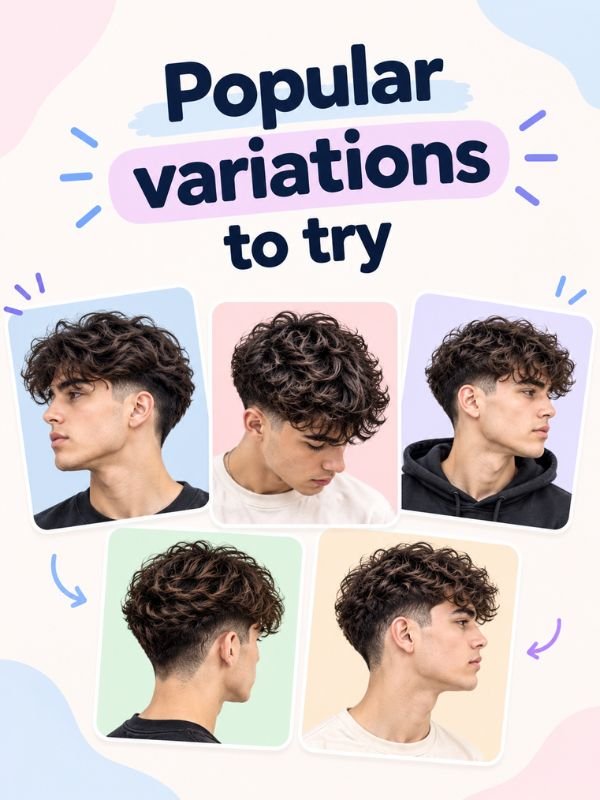
Once you have the base cut, you can change the details. These variations are popular with barbers and clients:
- Low taper fade with a man bun. Tie the length up and show off the clean sides.
- Low taper fade with a quiff. Add height at the front for a retro, polished feel.
- Low taper fade with a slick back. This is a formal option that works well with a beard.
- Low taper fade mullet. Short sides, longer back. It is modern and bold.
- Low taper fade with a beard. The fade blends into the beard, so the two look like one cut.
- Low taper fade with a razor line. A crisp outline gives extra sharpness.
- Textured low taper fade. A choppy, messy top gives a relaxed, effortless look.
If you are unsure, start with the slick back or the textured version. Both are easy to wear and easy to change later.
Which face shapes suit a long hair low taper fade?

A good cut works with your face, not against it. A long hair low taper fade is flexible, but a few small tweaks help each face shape.
| Face shape | What works best |
| Oval | Almost anything. Slick back or side-swept both work. |
| Square | Soft, layered length to ease the strong jaw. |
| Round | Height on top and tighter sides to add length. |
| Oblong | Side volume and fringe to shorten the face visually. |
| Heart | Chin-length layers to balance a narrow chin. |
| Diamond | Fringe or side-swept styles to soften the cheekbones. |
If you do not know your face shape, ask your barber. They see it every day and can adjust the fade height and top length for you.
Long hair low taper fade vs. low fade: the real difference
People often use these terms as if they mean the same thing. They do not, and the difference matters when you sit in the chair.
- A low fade fades the hair down to the skin. It usually goes shorter and shows more skin around the ears and neck.
- A long hair low taper fade keeps more length. It blends only the edges and leaves the sides longer.
In short, a low fade is a bolder cut. A taper is gentler.
| Low taper | Low fade | |
| Shortness at bottom | Slightly shorter | Down to skin |
| Contrast | Soft | Strong |
| Look | Natural, classic | Sharp, modern |
| Grow-out | Slow and tidy | Faster to look messy |
For long hair, the taper is usually safer. It keeps weight on the sides so the cut does not look top-heavy.
How to ask your barber for a long hair low taper fade

Many bad haircuts come from unclear instructions. A little preparation helps your barber get it right the first time.
Before you go:
- Save two or three photos that show the cut from different angles.
- Know roughly how long you want the top to stay.
- Tell your barber how much time you want to spend styling.
What to say
Try something like this:
“I’d like a long hair low taper fade. Keep the length on top, just trim the ends. Start the taper low around the ears and neckline, and blend it softly. I don’t want it to go to skin.”
Useful phrases to add:
- “Keep the weight on the sides” so the cut does not go too short.
- “Soft taper” if you want a subtle blend.
- “Natural neckline” or “squared neckline” depending on your preference.
- “Guard number” if you know it. A number 1 or 2 is common at the bottom of a low taper.
If you are unsure, say so. A good barber will ask questions and explain what will happen before cutting.
How to style a long hair low taper fade at home
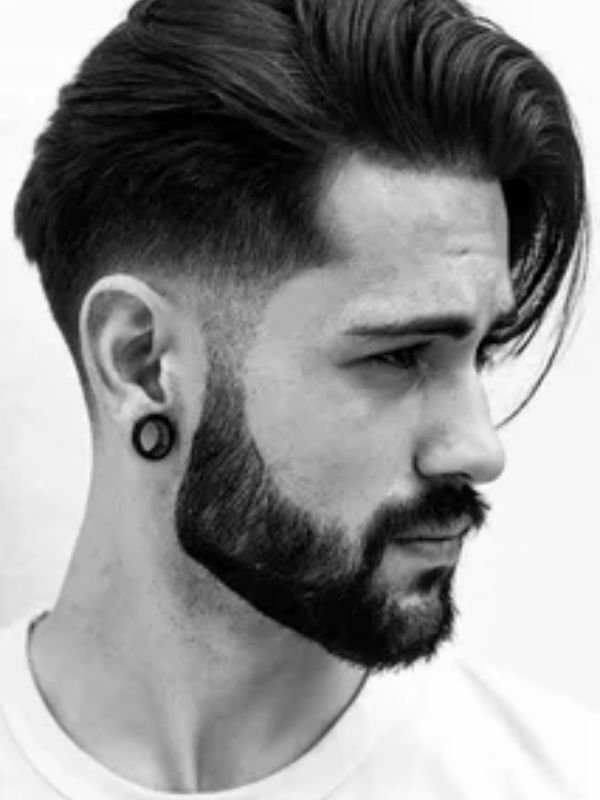
You do not need a complicated routine. Follow these steps:
- Wash gently. Use shampoo on the scalp and conditioner on the lengths.
- Towel-dry. Pat the hair instead of rubbing, which causes frizz.
- Apply a leave-in or primer. This adds moisture and protects against heat.
- Add product. Use a small amount, from a pea size to a coin size, depending on the length.
- Shape it. Comb back, part to the side, or scrunch for texture.
- Finish. Use a light-hold spray if you want the style to last.
Quick styling tips:
- Style on slightly damp hair for the best control.
- Use a wide-tooth comb on wavy and curly hair.
- Keep heat tools on a low setting to protect your ends.
The best products for a long hair low taper fade
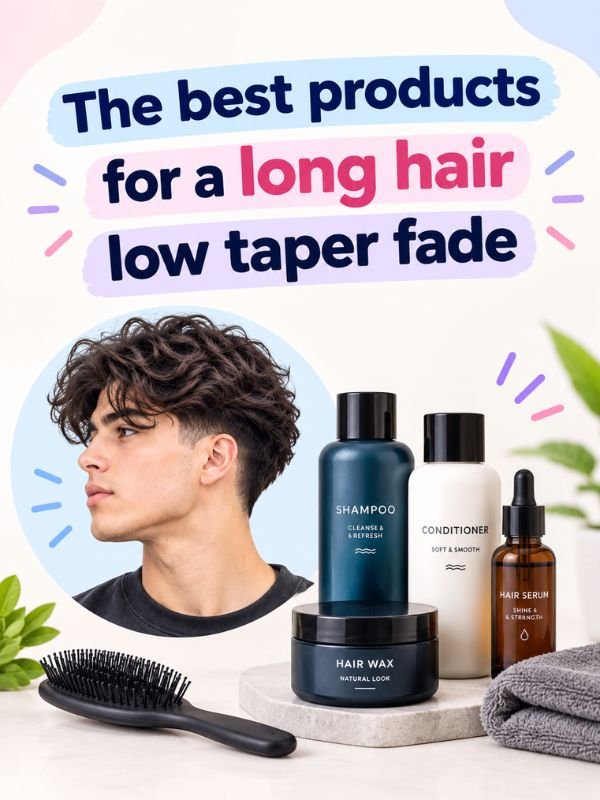
The right product depends on your texture and the finish you want. Here is a simple guide:
| Product | Best for | Finish |
| Sea salt spray | Wavy and straight hair | Matte, textured |
| Leave-in conditioner | Curly and dry hair | Soft, hydrated |
| Styling cream | All types | Natural hold |
| Light pomade | Slick-back styles | Shine, medium hold |
| Clay or paste | Textured looks | Matte, strong hold |
| Curl cream | Curly hair | Defined, frizz-free |
Avoid heavy gels on long hair. They can weigh strands down and leave a crunchy feel. Also, use a shampoo suited to your scalp type, since a clean scalp keeps a fresh fade looking sharp.
How often should you maintain a long hair low taper fade?
A long hair low taper fade is lower maintenance than many fades, but the edges still grow out. Here is a general schedule:
- Every 3–4 weeks: Touch up the taper and neckline. This keeps the cut crisp.
- Every 6–8 weeks: Trim the top to remove split ends and keep the shape.
- Every day: Brush, moisturize, and style as needed.
If you prefer a soft look, you can stretch the visits to five weeks. The low taper grows out gently, so it rarely looks bad in between.
Healthy habits also help:
- Use heat protection before styling.
- Sleep on a silk or satin pillowcase to reduce breakage.
- Eat a balanced diet. Hair health starts from within.
Final takeaway
The long hair low taper fade works because it keeps what you love about long hair and fixes what you do not. The sides stay neat, the length stays yours, and the cut grows out well. Pick a style that suits your hair type, tell your barber exactly what you want, and keep up with regular touch-ups. That is all it takes.
Conclusion
If you have been looking for a cut that is clean without being boring, the long hair low taper fade is a smart choice. It suits straight, wavy, and curly hair, flatters most face shapes, and gives you plenty of styling options. Bring reference photos, use clear language, and choose products that match your texture. Do that, and you will walk out with a cut that looks confident and bold.
