
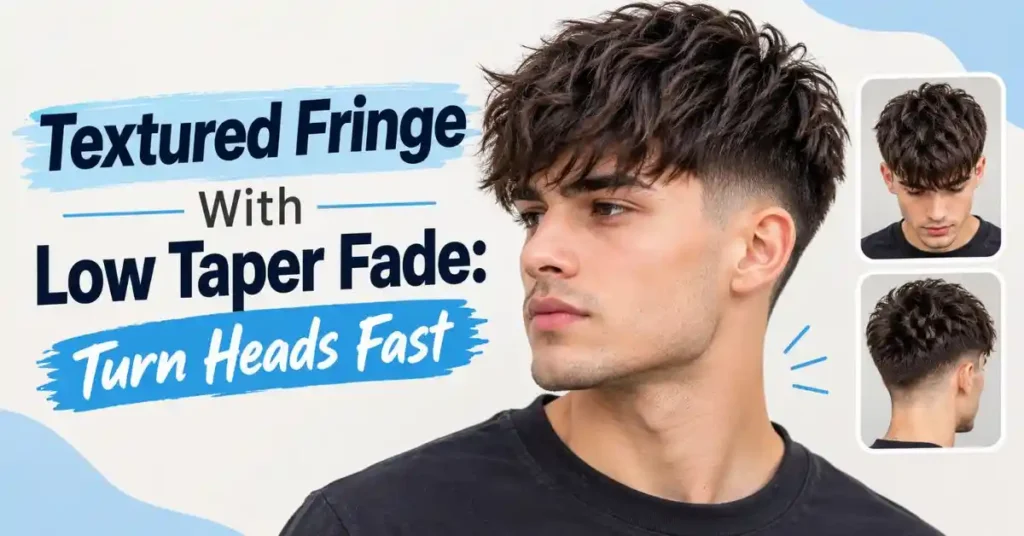
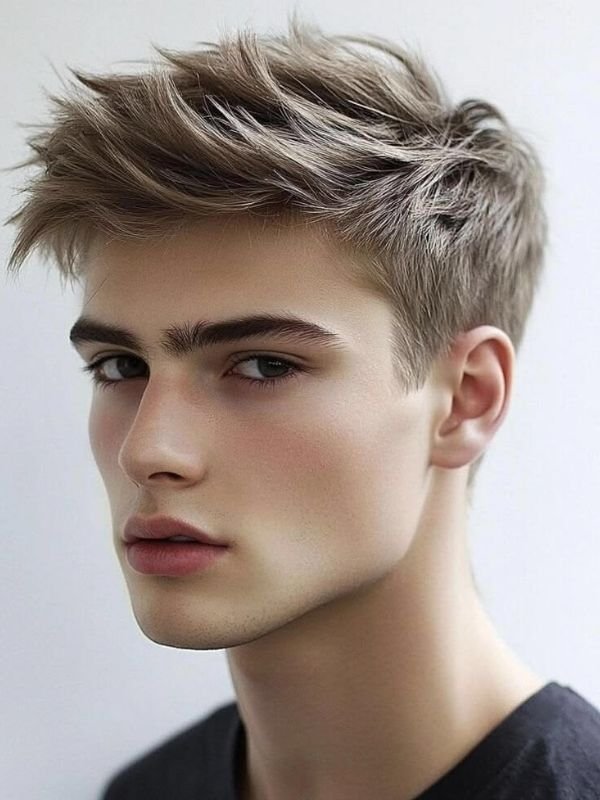
A textured fringe with low taper fade looks sharp without looking like you tried too hard. The top has soft, broken-up movement. The sides and back blend cleanly into the skin. It reads as polished at work and relaxed on the weekend.
If you’ve worn the same haircut for years, a textured fringe with low taper fade is a low-risk way to change things up. It grows out gracefully, works with most hair types, and takes about five minutes to style.
This guide covers what the cut is, who it suits, how to ask for it, how to style it, and the mistakes that ruin it.
What a Textured Fringe With Low Taper Fade Actually Is
A textured fringe with low taper fade is a haircut with longer, choppy hair on top that falls forward over the forehead, paired with sides and a neckline that gradually shorten toward the skin, starting low near the ears and nape.
It combines two separate ideas:
- The textured fringe: The top is cut with point cutting, razor work, or thinning shears so the ends look uneven and soft rather than blunt.
- The low taper fade: The hair tapers shorter only around the sideburns, the ear, and the back of the neck. It doesn’t climb up the sides like a mid or high fade.
Here’s how the parts break down:
| Part of the cut | Typical length | What it does |
| Fringe (front) | 2–4 inches | Adds movement and frames the forehead |
| Top | 2.5–4 inches | Gives volume and texture |
| Sides | Blended down to #1–#2 guard | Keeps the shape clean |
| Low taper | Starts near the ear and nape | Creates a subtle, natural fade |
That balance is why the textured fringe with low taper fade feels modern but not extreme. The fade is there, but it doesn’t scream.
Why the Cut Is Everywhere in 2026
Several things explain why the textured fringe with low taper fade keeps showing up on barbershop walls and social feeds.
It’s flexible. The same cut can look neat in a meeting and messy-cool on a night out. You change the finish, not the haircut.
It’s forgiving. Texture hides small imperfections. If your hair sits a little differently each morning, nobody notices.
It matches the move toward softer styles. Hard lines and super-short skin fades have given way to blended, wearable looks. A textured fringe with low taper fade fits that shift.
It grows out well. Because the fade is low, the grow-out phase looks intentional for several weeks. You don’t need a barber visit every ten days.
Who It Suits
Almost anyone with at least 2.5 to 3 inches of hair on top can wear a textured fringe with low taper fade. It tends to work especially well for:
- Students and young professionals who want a clean look with a bit of personality
- Office workers whose dress code allows some style, since the low taper keeps things tidy
- Creatives and remote workers who want something stylish but low effort
- Men with receding temples, because the forward-falling fringe softens the hairline
- Anyone growing out a buzz cut and wanting a shape to build on
It’s less suited to very short hair, since you need length on top for the fringe to fall properly. If you’re under two inches up top, give it a couple of months first.
Best Face Shapes
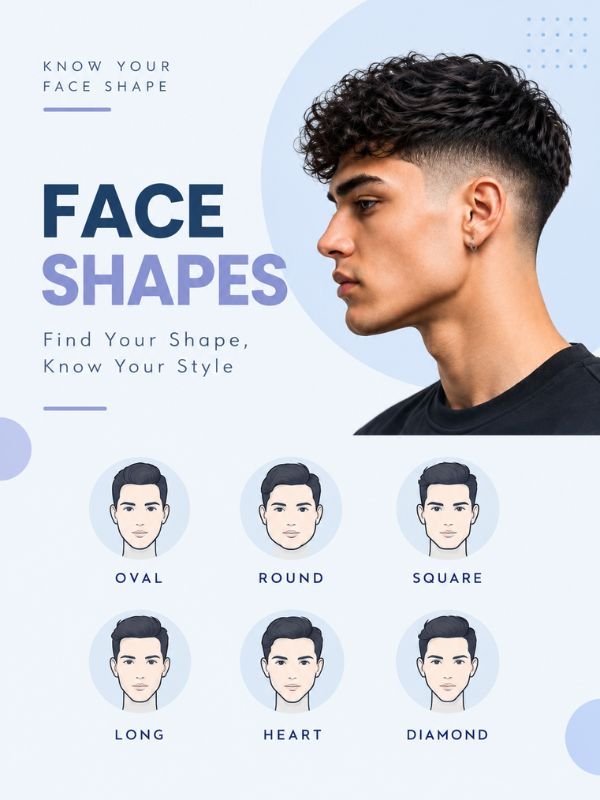
The cut is adaptable, but small tweaks help it flatter your face. Here’s a quick guide:
| Face shape | How the cut works | Barber tweak |
| Oval | Almost everything works | Keep it balanced and natural |
| Round | Adds height and angles | Build volume on top, keep sides tight |
| Square | Softens a strong jaw | Keep the fringe slightly side-swept |
| Oblong | Can stretch the face | Keep the fringe forward, avoid too much height |
| Heart | Balances a wider forehead | Let the fringe fall longer across the brow |
| Diamond | Softens cheekbones | Add some fullness at the front |
For round faces, a textured fringe with low taper fade with extra lift at the crown makes the face look longer. For long faces, a heavier fringe that sits forward helps shorten the proportions.
Best Hair Types
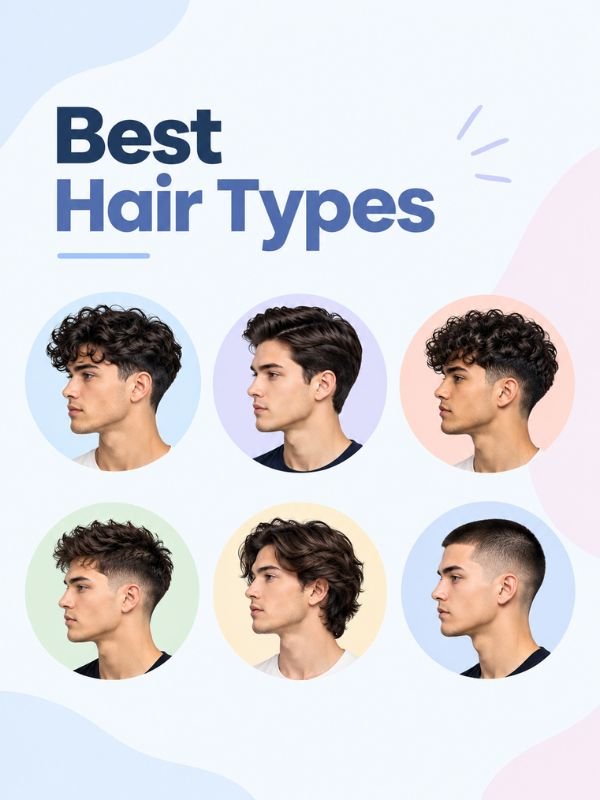
Hair type decides how much texture you get naturally and how much your barber needs to create. A textured fringe with low taper fade can work for each type below, with small adjustments.
Straight Hair
Straight hair shows every cut line, so texture has to be built in. Ask your barber for point cutting or a razor finish, otherwise the fringe can look flat and heavy. A light sea salt spray or clay adds the grit that straight hair lacks. Done properly, a textured fringe with low taper fade gives straight hair real movement.
Wavy Hair
Wavy hair is arguably the easiest to work with. The natural bend creates texture on its own, so your barber can cut less aggressively. Air-drying with a little cream often gives you the finished look. If you have waves, a textured fringe with low taper fade almost styles itself.
Thick Hair
Thick hair needs weight removal. Without it, the fringe puffs outward instead of falling forward. Ask for thinning or internal layering on top. The low taper also helps, because it takes bulk off the sides so the whole shape doesn’t look boxy. Thick hair and a textured fringe with low taper fade is a strong match when the barber manages the density.
Fine or Thin Hair
Fine hair needs volume, not heavy cutting. Keep the fringe a bit longer and avoid over-thinning, which can make hair look sparse. Use a light powder or mousse for lift, and skip heavy waxes that weigh it down. A textured fringe with low taper fade works on fine hair because the contrast between tight sides and fuller top creates the impression of thickness.
Curly Hair
Curly hair adds natural texture, so the fringe can be cut with curl pattern in mind. Many barbers cut curls dry so they can see how each curl falls. Keep the top slightly longer, around 3 to 4 inches, so curls have room to form. With curls, a textured fringe with low taper fade looks bold, and the low taper keeps the shape from getting too wide.
The Main Variations
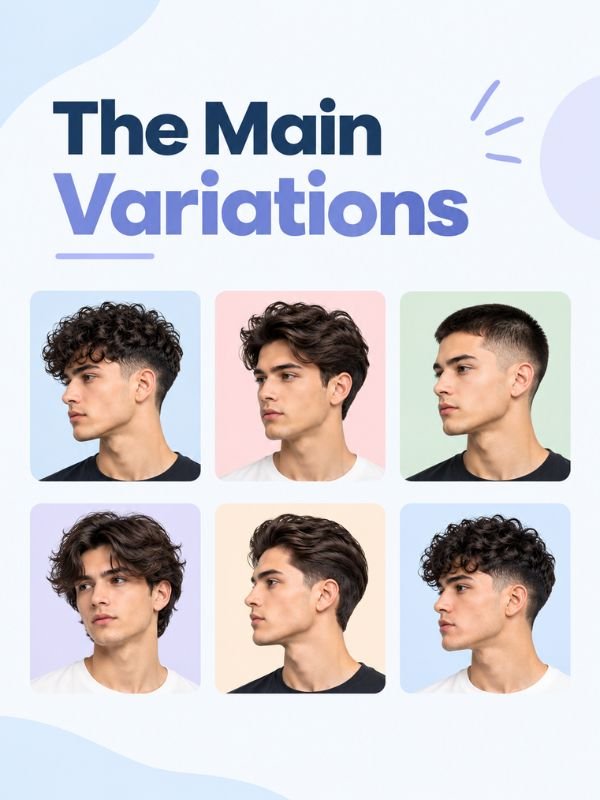
Once you know the base cut, you can adjust it. Popular versions of the textured fringe with low taper fade include:
- Short and choppy: A shorter fringe, around 2 inches, with lots of texture. Easy and casual.
- Long and messy: More length on top, swept across the forehead. Great for wavy hair.
- Side-swept: The fringe falls to one side with a soft part. Neater and more professional.
- Curly top: Natural curls on top with a low taper on the sides.
- Spiky texture: The top is pushed up and forward for a punchier finish.
- With a beard: The low taper connects smoothly to the beard line.
Pick the version that matches your daily routine. If you want minimal effort, choose the short choppy or wavy versions of the textured fringe with low taper fade.
How to Ask Your Barber
Most bad haircuts come from unclear communication. Bring a photo, and use clear language.
Here’s a simple script:
- “I’d like a textured fringe with low taper fade.”
- “Leave about 3 inches on top, cut with texture, not blunt.”
- “Start the taper low, around the ear and the neckline.”
- “Use a #1 or #2 on the sides, blended up to the top.”
- “Keep the fringe long enough to fall on my forehead.”
A few extra tips:
- Say whether you want a natural or squared neckline.
- Mention your usual part and how you style your hair.
- Ask what products they’d recommend for your hair type.
Talking through the plan first means you get the textured fringe with low taper fade you pictured, not the barber’s guess.
How to Style It at Home
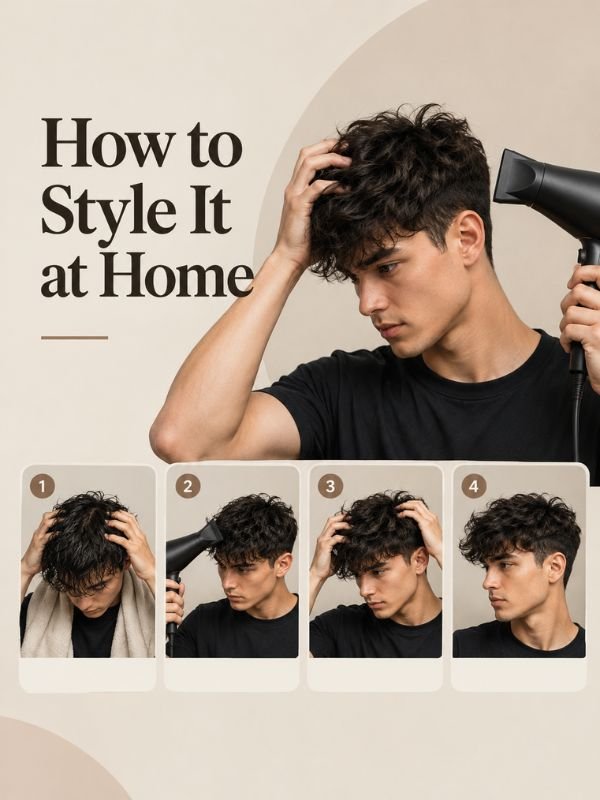
You don’t need a long routine. The whole process takes about five minutes.
Step-by-step:
- Start with damp hair. Towel dry so it isn’t dripping.
- Apply a pre-styler. A sea salt spray or light mousse adds grip and volume.
- Blow dry. Use medium heat and push the hair forward and slightly up with your fingers.
- Warm the product. Take a pea-sized amount of clay or paste and rub it between your palms until it’s smooth.
- Work it through. Start at the back and move forward, then use your fingertips to separate the fringe.
- Finish with texture. Twist or pinch the ends for that broken-up effect.
- Add a light mist of hairspray if you need all-day hold.
The key point is restraint. Too much product turns a textured fringe with low taper fade into a stiff helmet. Start small and add more only if needed.
Best Products

The right product depends on your hair type and the finish you want:
| Product type | Best for | Finish |
| Matte clay | Thick or straight hair | Strong hold, no shine |
| Paste | Most hair types | Medium hold, natural look |
| Sea salt spray | Straight and fine hair | Beachy texture |
| Texture powder | Fine or thin hair | Lift and volume |
| Curl cream | Wavy and curly hair | Definition without crunch |
| Light hairspray | All types | Flexible hold |
If you only buy one product, make it a good matte paste or clay. It handles most versions of a textured fringe with low taper fade and looks natural by lunchtime, not just at 8 a.m.
Maintenance and Trim Schedule
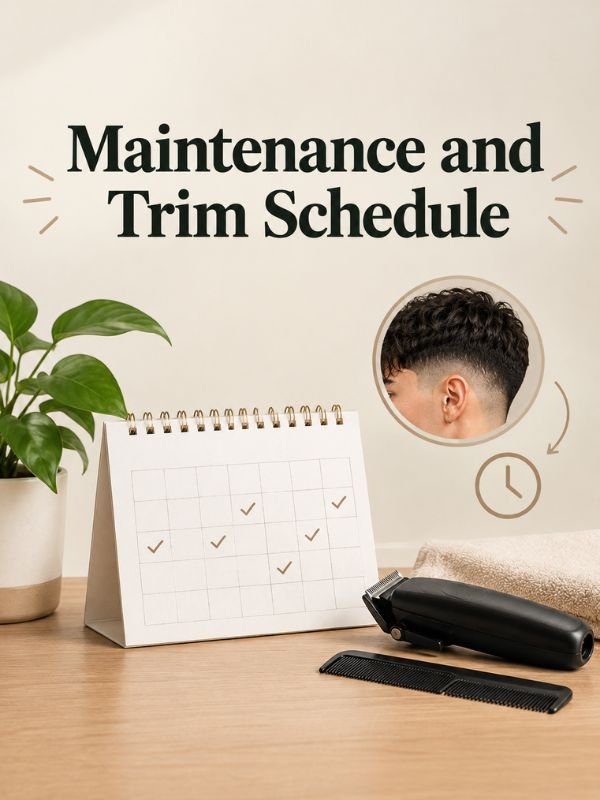
The low taper is easier to maintain than higher fades, but it still needs regular care.
| Task | How often | Why it matters |
| Barber visit | Every 3–5 weeks | Keeps the taper clean and shape tidy |
| Neckline clean-up | Every 2–3 weeks | Stops the nape from looking scruffy |
| Fringe trim | Every 4–6 weeks | Prevents the fringe from falling into your eyes |
| Shampoo | 2–4 times a week | Avoids product buildup |
| Conditioner | After each wash | Keeps texture soft, not frizzy |
Most people book every four weeks. You can stretch to six if your hair grows slowly, though the shape softens after that. A textured fringe with low taper fade looks best when the sides are fresh, since that’s where the crisp contrast comes from.
Common Mistakes to Avoid

Even a great cut can look off if you slip up. Watch for these:
- Asking for the fade too high. A high fade changes the whole look. Keep it low.
- Cutting the top too short. Without length, you lose the fringe entirely.
- Skipping texture work. A blunt cut on top isn’t a textured fringe with low taper fade.
- Using too much product. Greasy, heavy hair kills the effortless effect.
- Styling on soaking wet hair. Product slides off, and hold disappears.
- Ignoring your hair type. A style that suits wavy hair may need changes for fine or curly hair.
- Waiting too long between cuts. The taper grows out quickly and loses definition.
- Not bringing a reference photo. Words get misread. A picture rarely does.
Avoid these, and your textured fringe with low taper fade will look consistent from week to week.
Conclusion
A textured fringe with low taper fade works because it balances two things most men want: a clean shape and a relaxed finish. It suits many face shapes and hair types, it’s quick to style, and it doesn’t demand constant upkeep.
To get it right, bring a clear photo, use the barber script above, and match your styling product to your hair type. Book a trim every four weeks or so to keep the taper crisp. Get those basics right, and a textured fringe with low taper fade will make you look sharper with very little effort.
