
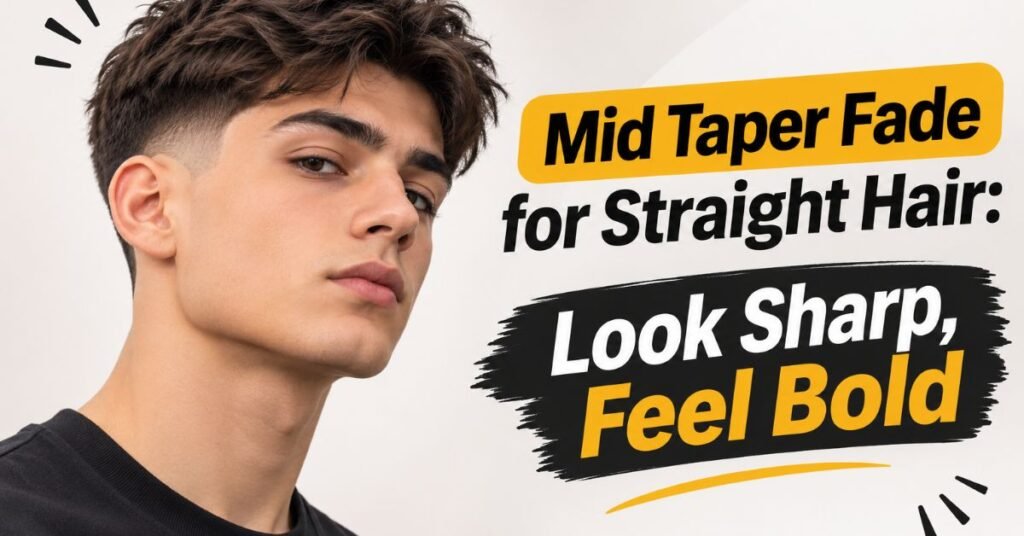
Straight hair shows everything. A rough blend, an uneven line, a rushed neckline: nothing hides. That is why the mid taper fade for straight hair has become such a dependable choice. It gives the sides a clean, gradual shape and leaves the top free to carry your style.
This guide explains what the cut is, how it compares with other tapers and fades, and how to pick the right version for your hair and face. You will also get barber-ready wording, a simple home styling routine, and a realistic upkeep schedule. If you have wondered whether a mid taper fade for straight hair is worth booking, read on.
Quick answer: A mid taper fade for straight hair shortens the sides and back gradually, starting around the middle of the sides of your head. The hair ends at a neat, short neckline, while the top stays long enough to style.
What is a mid taper fade on straight hair?
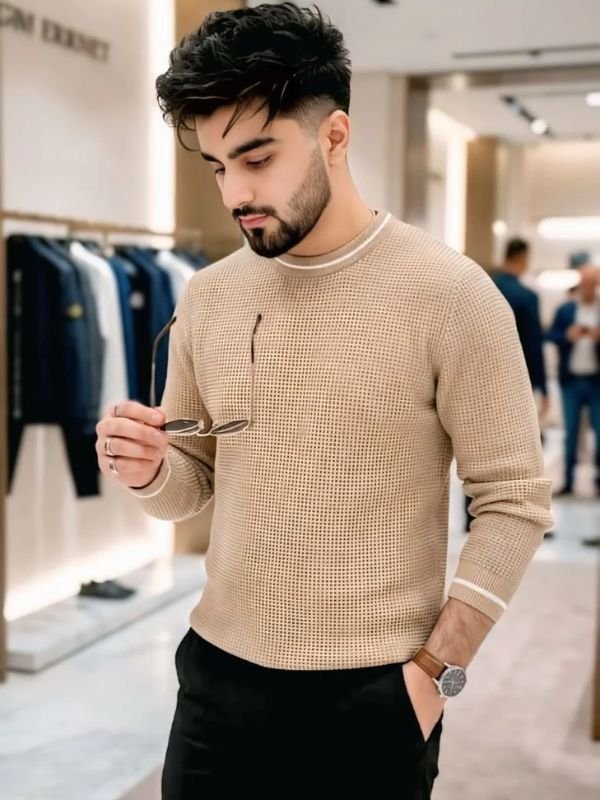
A mid taper fade for straight hair is a short-sides, longer-top haircut with a smooth gradient around the sides and back. The gradient begins at a mid-level point, roughly between the temple and the top of the ear. From there the hair gets shorter as it moves toward the sideburns and neckline.
The word “taper” matters. In classic barbering, a taper keeps some visible hair at the edge, while a fade usually drops to bare skin or very close to it. Many people say “taper fade” as one phrase, so a good barber will often ask which finish you want. Naming it yourself avoids a surprise.
What makes it a “mid” taper rather than a mid fade?
Two things separate them: how the cut ends and how much contrast it shows.
- Ending point: A mid taper leaves short hair at the edges. A mid fade often blends down to skin or a very close shave.
- Contrast: A taper looks softer and more conventional. A fade looks sharper and more graphic.
- Starting height: Both can begin at the same mid-level point. “Mid” only describes where the blend starts, not how short it gets.
So when you ask for a mid taper fade for straight hair, you are choosing a mid-height blend that finishes with a little hair left, not bare skin.
How does straight hair change the finished look?
Straight hair behaves differently from wavy or curly hair in three ways:
- It shows the blend. Without curl to mask transitions, any step or patch is visible. A clean blend looks excellent. A rushed one looks obvious.
- It falls flat. Straight sides grow down over the ears, so the taper does much of the work of adding shape.
- It reflects light. Neat lines look polished, but heavy product can make straight hair look greasy.
That is why a mid taper fade for straight hair depends so heavily on barber skill and a well-chosen top length.
Is a mid taper fade a good choice for straight hair?
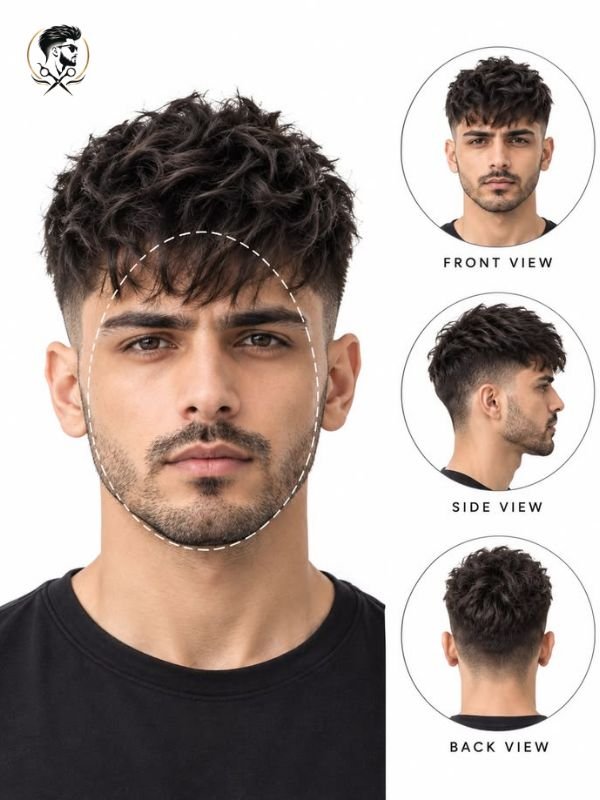
For most people, yes. A mid taper fade for straight hair is balanced, professional, and flexible. It is not as bold as a high fade, and not as quiet as a low taper.
Why it works:
- It suits short, medium, and longer tops.
- It looks tidy at work and relaxed on weekends.
- It styles quickly with one or two products.
- It grows out more gracefully than a skin fade.
What to watch for:
- Very fine straight hair can look thin on top when the sides are cut short.
- Strong cowlicks at the crown or nape may fight the blend.
- Poor blending is easy to spot on straight hair.
- A receding hairline may need a slightly different top shape.
If one of these applies to you, the cut can still work. You only need to adjust the top length and taper height, which the sections below cover.
How it compares with a low taper, mid fade, and high taper
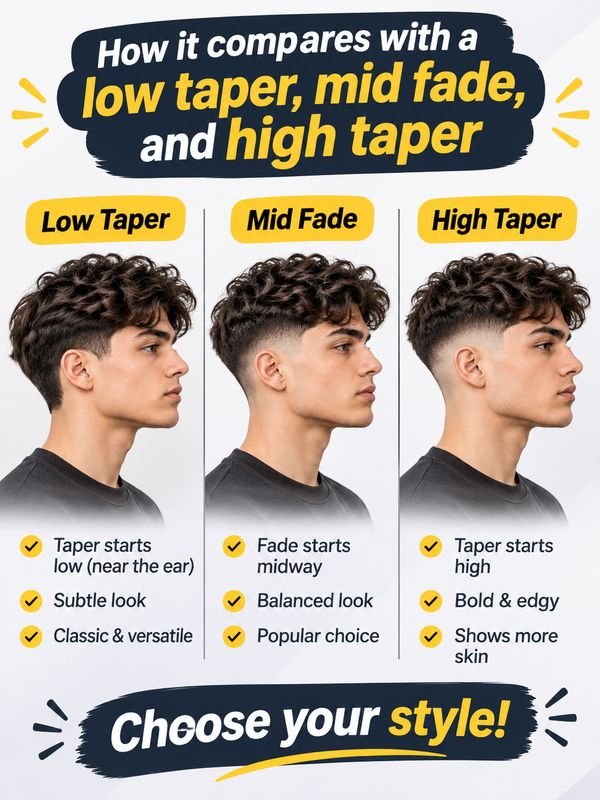
The main differences come down to where the blend starts and how short it finishes.
| Cut | Where the blend starts | How it finishes | Contrast | Best for |
| Low taper | Just above the ear and neckline | Short hair at the edge | Subtle | Conservative offices, first-timers |
| Mid taper | Around the middle of the sides | Short hair at the edge | Moderate | Balanced everyday wear |
| High taper | Near the temple, higher on the head | Short hair at the edge | Strong | A sharper, bolder outline |
| Mid fade | Around the middle of the sides | Skin or near-skin | High | A crisp, modern look with frequent upkeep |
Which should you pick? Choose a low taper for the quietest change. Choose a high taper for a more dramatic outline. Choose a mid fade if you like bare skin and will keep up with visits. A mid taper fade for straight hair sits in the middle, which is why it suits so many people.
What to decide before booking the haircut
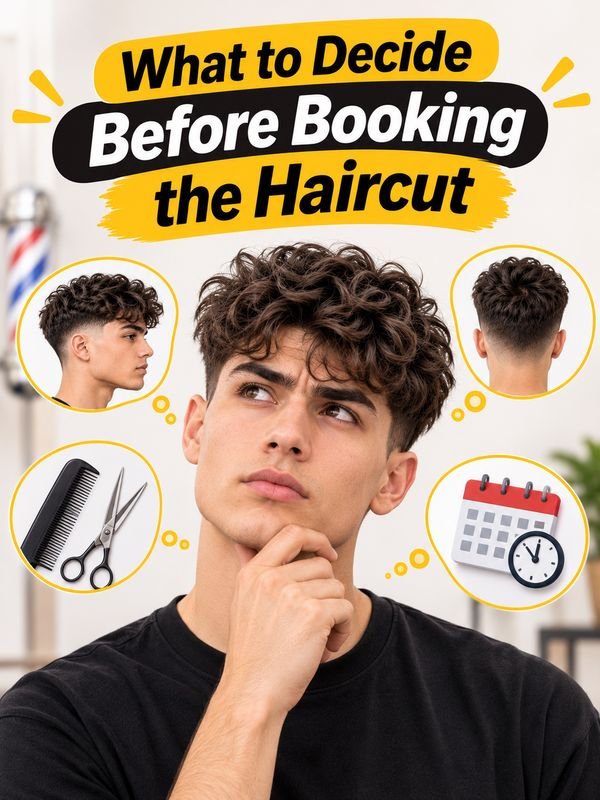
Two decisions shape the whole result. Make them before you sit in the chair.
What top length and style do you want?
Top length drives everything. Short tops need little effort. Medium tops give you styling options. Longer tops give flow but need regular shaping.
Think about how you part your hair, whether you want a fringe, and whether you prefer a textured or smooth finish. Save two or three reference photos of people with straight hair. Pictures of curly hair will mislead, because a mid taper fade for straight hair looks different once the curl is gone.
How short and how high should the taper go?
There are three choices to settle:
- Height: A lower start looks subtle. A mid start looks balanced. A higher start looks bolder.
- Shortness at the edge: Decide whether you want “short but not skin” or “very close.”
- Neckline shape: A natural, tapered neckline grows out best. A squared or rounded neckline looks sharper but shows grow-out sooner.
Give your barber both the height and the finish. “Mid height, leave some length at the edge” is a clear brief.
Which mid taper fade styles work best with straight hair?
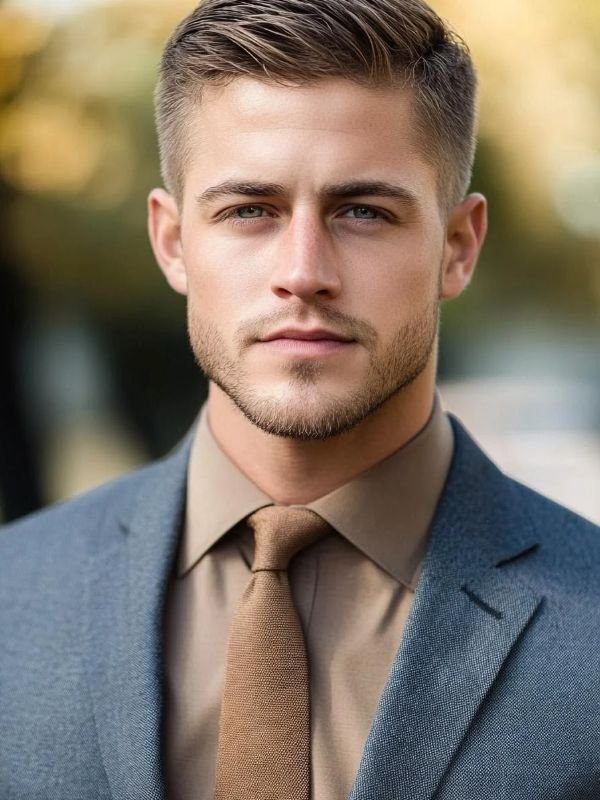
Use these ideas as starting points. Your barber can adapt each one to your head shape and hairline.
Short tops that need the least daily work
- Crew cut: A short, even top that needs only a dab of paste or none at all.
- French crop: A short top with a forward, straight-across fringe. It hides a high forehead and takes seconds to style.
- Close-cropped top: The lowest effort option. It pairs well with a neat beard.
A short top with a mid taper fade for straight hair is the best pick if you want to wash and go.
Medium-length styles that add texture or structure
- Textured quiff: Lifted at the front with a matte finish. It adds height to rounder faces.
- Side part: A defined parting with a smooth or lightly textured top. It reads as polished and professional.
- Textured fringe: Choppy layers brushed forward. It softens angular features.
- Short slick back: Combed back with a light pomade for a clean, formal finish.
Medium lengths let a mid taper fade for straight hair show off contrast, because the top has enough length to display shape against the short sides.
Also, read this: High Taper Fade Curly Hair:
Longer styles that preserve flow and movement
- Swept-back flow: Hair brushed back and left to move naturally.
- Curtain-style top: A centre part with length falling to each side.
- Layered long top: Light layers that stop the length from looking heavy.
Longer styles need regular trims to hold their shape. Even so, a mid taper fade for straight hair is a clean way to keep long hair looking intentional, since the short sides stop the cut from feeling bulky.
Choosing the right version for your hair and face
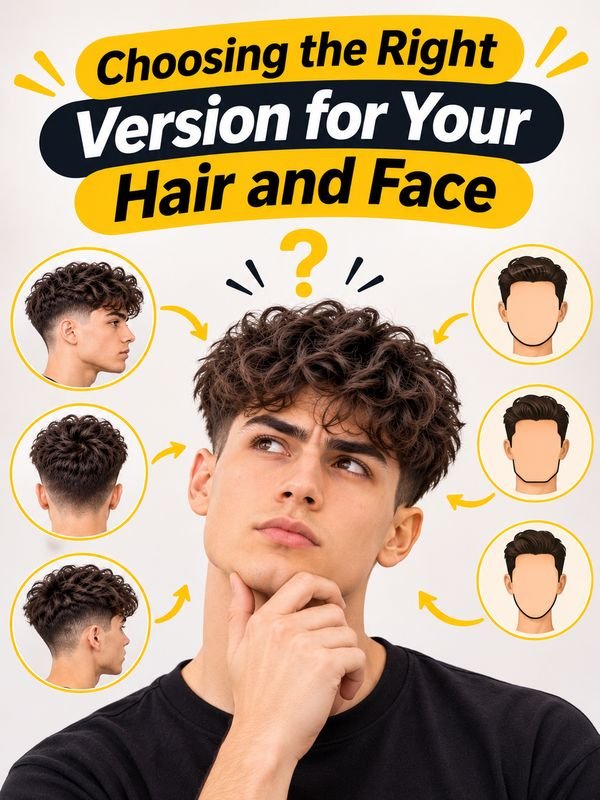
There is no single correct version. These guidelines help you narrow the options.
How density and strand thickness change the cut
| Hair type | What works | What to watch |
| Fine and thin | Medium-short top, soft texture, gentle taper | Very short sides can show the scalp |
| Medium | Almost any style | Keep the blend clean |
| Thick and coarse | Textured or layered top that removes bulk | Sides can stand out between trims |
| Low density | Slightly longer top for coverage | Avoid a very high taper |
Fine hair can still wear a mid taper fade for straight hair. Keep the top a little longer and the taper gentle so the cut does not look sparse.
How face and head shape influence the silhouette
| Face shape | Helpful choice |
| Oval | Most styles work, so choose by lifestyle |
| Round | Add height on top, such as a quiff or textured crop |
| Square | Softer, textured tops balance a strong jaw |
| Oblong | Avoid too much height. A fringe or side sweep shortens the face |
| Heart | A fringe or medium top balances a narrower chin |
These are guidelines, not rules. A skilled barber will also check ear position, head shape, and hairline before deciding how a mid taper fade for straight hair should sit. Flat spots or bumps on the head show more once the sides are short.
How much styling and upkeep can you commit to?
Be honest about your routine:
- Two minutes or less: Choose a short top and a gentle taper.
- Five to ten minutes: Choose a medium top with a quick blow-dry and paste.
- Fifteen minutes or more: Choose a longer or sculpted style, and accept more frequent trims.
A cut you can maintain will always look better than a complex one you skip styling.
What to ask your barber for
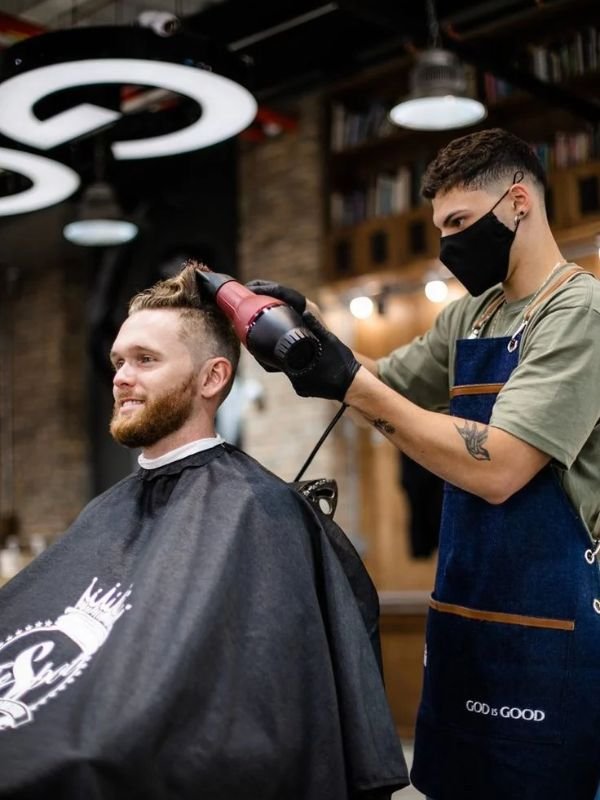
Clear wording prevents most bad haircuts. Follow these steps:
- Name the cut. Say “mid taper,” and add “not a skin fade” if you want hair left at the edges.
- Describe the top. Give a length in inches or show it with your fingers, plus the parting and fringe.
- Set the neckline. Ask for natural, squared, or rounded.
- Bring photos. Show a side view and a back view, ideally of straight hair.
- Ask about the blend. Request a smooth transition where the taper meets the top, with no hard line.
Here is a sample script for a mid taper fade for straight hair:
“I’d like a mid taper with some length left at the edges, not down to skin. Keep the top about two inches with a side part, and a natural neckline. Here’s a photo.”
Before the barber starts, ask them to repeat the plan back to you. Before they finish, check both sides in the mirror, because ears and temples are rarely perfectly symmetrical.
How to style a mid taper fade on straight hair at home

You only need a towel, a comb, and one or two products. A mid taper fade for straight hair looks best when the top has some structure.
- Start with damp hair. Towel-dry until it stops dripping.
- Add a prep product if needed. Fine hair benefits from mousse or sea salt spray for lift.
- Blow-dry with direction. Use medium heat and lift the roots away from where the hair will finally sit.
- Apply styling product. Start with a pea-sized amount and warm it between your palms.
- Shape the top. Use a comb for a polished look or your fingers for a textured one.
- Finish lightly. A touch of hold spray keeps the shape through the day.
| Finish you want | Product | Works well for |
| Matte and natural | Clay or fibre paste | Textured quiffs, crops |
| Sleek and polished | Pomade or light gel | Side parts, slick backs |
| Extra volume | Mousse or sea salt spray | Fine or flat hair |
| Soft hold | Styling cream | Longer, flowing tops |
Straight hair turns greasy quickly when overloaded, so add product gradually. Wash with a shampoo that suits your scalp, and avoid heavy waxes if your hair is fine.
How often does a mid taper fade need maintenance?
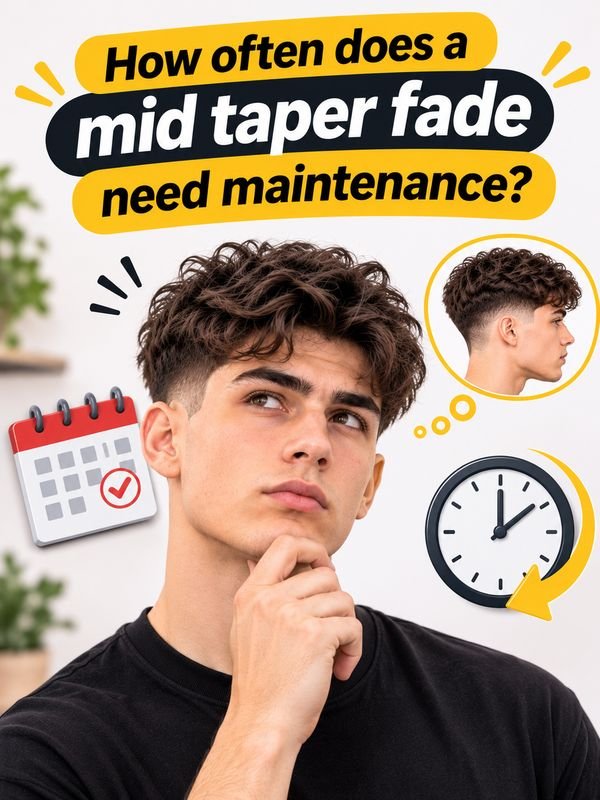
Many barbers recommend a tidy-up every three to four weeks, because the neckline and sides lose their shape first. A mid taper fade for straight hair can stretch to five or six weeks if the top is longer, though the blend will look softer.
| Timeline | What you will notice | What to do |
| Weeks 1 to 2 | Sharpest blend and cleanest edges | Style as usual |
| Weeks 3 to 4 | Neckline softens, sides get fuzzy | Book a clean-up |
| Weeks 5 to 6 | Taper loses shape, sides reach the ears | Book a full cut |
Between visits, wash regularly and tidy the neckline with a trimmer only if you are comfortable doing it. Otherwise, ask your barber for a quick “sides and neck only” visit.
Conclusion
The mid taper fade for straight hair works because it balances contrast and polish. It gives you clean sides, a flexible top, and a look that fits work, weekends, and everything in between.
The best results come from a few clear decisions: how high the taper starts, how short it finishes, and how long you keep the top. Bring photos, use plain language, and match the style to your hair type and routine.
Book the cut, check the blend in the mirror, and keep up with regular trims. A well-made mid taper fade for straight hair will help you look sharp and feel bold.
